Creative Healing Activities for Mental Health and Wellness
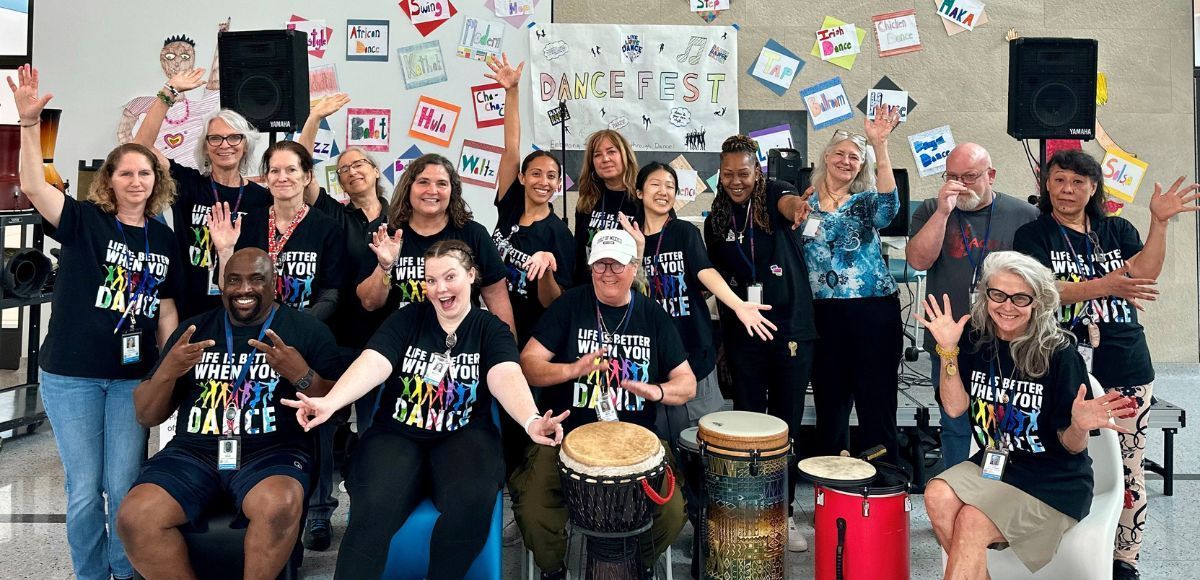
Creativity opens a gentle doorway for patients to express emotions safely, release stress, and rediscover themselves through art, music, and movement. Using art to create something tangible sparks hope, deepens self-connection, and supports lasting mental health recovery. This is why, at Friends of ASH, we promote creative healing activities for mental health as powerful tools in emotional renewal.
What Are Creative Healing Activities for Mental Health and Why Are They Important?
Rather than relying solely on words, creative activities invite patients to process experiences through movement, sound, imagery, and other expressive forms that feel safer and more intuitive. By engaging the body and the senses, these approaches use artistic and physical expression to support emotional balance, regulate stress, and aid trauma recovery.
For many patients, especially those coping with anxiety, depression, PTSD, or chronic stress, creative activities offer a gentler, more accessible path to healing that meets people where they are emotionally.
Expressive Arts Therapy Activities
Take for instance, art and music therapy mental health activities, which integrate visual art, music, writing, drama, and movement into a single therapeutic approach. The goal isn’t artistic skill, it’s emotional release and self-discovery.
Patients may:
- Paint or draw emotions they can’t yet verbalize
- Create symbolic imagery to explore trauma safely
- Use storytelling or role-play to process lived experiences
These expressive arts therapy activities help patients reconnect with their inner world at their own pace, reinforcing the benefits of creative healing activities for mental health.
Movement Therapy for Healing
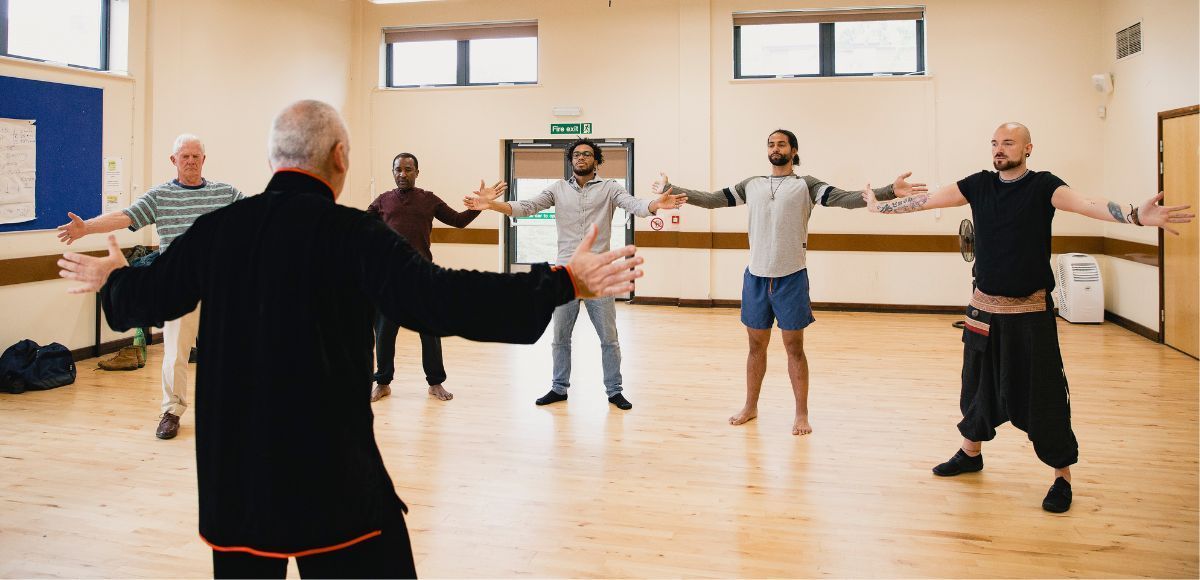
Meanwhile, movement therapy uses intentional physical motion, such as stretching, guided movement, or gentle exercise, to release stored tension and emotional stress. This approach honors the understanding that trauma and emotion are often held in the body, not just the mind, allowing healing to unfold through awareness, connection, and movement.
Movement therapy helps patients:
- Improve mind-body awareness
- Reduce anxiety and restlessness
- Build a sense of safety and control
Musical Therapeutic Arts for Mental Wellness
Music also plays a powerful role in mental health recovery because of its deep connection to memory, emotion, and regulation. A familiar melody can evoke comfort, spark reflection, or provide grounding during moments of distress, helping patients feel more present and supported. Through listening, creating, or moving with music, patients can regulate emotions, ease anxiety, and reconnect with themselves in a way that feels natural, calming, and deeply personal.
Musical therapeutic arts
for mental wellness may include:
- Listening to calming or meaningful music
- Playing instruments
- Writing lyrics or songs
It helps regulate mood, lower stress hormones, and foster emotional connection, both individually and in group settings.
Creative Activities for Emotional Expression
Creative activities such as crafting and needlework offer a quiet, nonverbal way to release complex emotions like grief, anger, fear, and even joy.
The steady, hands-on nature of these practices can feel grounding and reassuring, making them especially supportive for people who find it difficult to put their emotions into words during traditional talk therapy. Through simple, repetitive motions, patients are able to focus, reflect, and express what they may not yet be ready to say aloud.
At their core, these creative processes invite honesty and vulnerability without pressure or expectation. They allow emotions to surface naturally, fostering self-awareness and emotional clarity in a way that feels safe and empowering. Over time, creativity becomes not just an activity, but a trusted pathway toward healing and self-understanding.
How Art Therapy Promotes Emotional Well‑Being and Healing
Visual art therapy is a vital pillar of creative activities for mental health, offering structure, safety, and meaningful emotional expression beyond words alone. It creates a gentle, supportive space where people can explore feelings without pressure. Let’s take a closer look at how this approach nurtures healing in a way that feels grounding rather than overwhelming.
A Safe Way to Express Difficult Emotions
As one of the most effective healing activities, art therapy allows patients to release emotions they may struggle to verbalize, especially during trauma, anxiety, or depression.
- Encourages expression without pressure to “find the right words”
- Reduces emotional overload
- Creates emotional distance from distressing experiences
Helps Regulate Stress and Emotions
Art-based activities for mental health support nervous system regulation by shifting focus away from intrusive thoughts.
- Lowers stress and anxiety levels
- Promotes calm and emotional balance
- Supports mindfulness and presence
Builds Confidence and Emotional Awareness
Through creative mental health healing activities, patients gain insight into their emotions while building self-esteem.
- Strengthens self-awareness
- Encourages emotional insight
- Reinforces a sense of control and accomplishment
Supports Long-Term Healing
When used consistently, art therapy promotes resilience and engagement in care.
- Improves therapy participation
- Strengthens coping skills
- Supports sustainable emotional healing
The Power of Music Therapy in Mental Health Recovery
Music has a unique way of reaching the heart when words fall short, which is why it holds such a powerful place in mental health recovery. As one of many creative approaches that support emotional well-being, music therapy helps people regulate emotions, reduce stress, and find grounding during challenging moments. Its impact is both immediate and deeply personal.
Whether through listening to soothing melodies, playing instruments, or writing lyrics, music provides a safe and expressive outlet for emotion. It allows patients to explore and process feelings at their own pace, free from pressure or judgment. For many, music therapy becomes a trusted coping resource they can turn to even outside of structured treatment.
What makes music therapy especially effective is how naturally it supports emotional balance. Rhythm and melody can calm the nervous system, sharpen focus, and lift mood. When combined with other creative healing activities for mental health, music therapy enhances engagement, strengthens recovery, and supports long-term healing in a way that feels personal, comforting, and sustainable.
Movement Therapy: Physical Expression for Emotional Healing
Movement therapy reminds us that healing isn’t just something that happens in the mind. It happens in the body, too. As an example of creative healing activities for mental health, it uses gentle physical expression to help release stress, process emotions, and rebuild a sense of safety.
This can look like stretching, guided movement, or simple body-based exercises that encourage awareness rather than performance. For people carrying anxiety, trauma, or chronic stress, movement creates space to let go of tension that words can’t always reach.
What makes movement therapy so effective is how grounding it feels. It helps patients reconnect with their bodies, regulate emotions, and feel more present in the moment.
The Benefits of Combining Multiple Creative Therapies for Healing
Healing is not one-size-fits-all, and its strength often lies in thoughtful combinations. When art, music, movement, and other expressive practices come together, healing becomes more flexible, engaging, and deeply effective. This layered approach honors individuality, allowing each person to heal in ways that feel natural, empowering, and supportive.
1. Supports Multiple Forms of Emotional Expression
Some people express emotions through visuals, others through sound or movement. Combining therapies ensures individuals can express themselves in a way that feels most comfortable for them.
- Reduces pressure to communicate verbally
- Allows flexibility as emotional needs change
2. Promotes Whole-Person Healing
Using multiple creative approaches addresses emotional, physical, and mental well-being together. Art, music, and movement each contribute something unique, making creative therapy more comprehensive.
3. Keeps Therapy Engaging and Prevents Burnout
Variety helps therapy stay fresh and motivating. Rotating creative approaches over time reduces emotional fatigue and keeps participants more actively involved in creative healing activities for mental health.
4. Strengthens Coping Skills and Emotional Regulation
Each creative therapy builds different coping tools. When combined, these healing activities reinforce emotional resilience and stress management.
5. Improves Long-Term Engagement and Outcomes
When therapy feels meaningful and personalized, people are more likely to stay engaged. Combining different types of therapy for mental health supports consistent participation and more sustainable healing outcomes.
How Creative Therapies Enhance Patient Retention at ASH
Creative therapies play an important role in helping patients feel comfortable, understood, and emotionally supported throughout their care journey. When creativity is incorporated into treatment, therapy feels more approachable and less intimidating, encouraging consistent participation.
These creative healing activities for mental health allow patients to express themselves in ways that feel natural, building trust and strengthening their connection to care providers. Over time, this sense of personalization and emotional safety helps patients remain engaged in treatment, improving continuity of care and long-term patient retention at ASH. Patients are also more likely to view therapy as a positive, supportive experience rather than an obligation. This sustained engagement supports better outcomes and stronger recovery over time.
Start the First Step Toward Recovery With Creative Healing Activities for Mental Health
Creative healing activities for mental health offer a meaningful first step toward recovery by giving people safe, supportive ways to process emotions and reconnect with themselves. Through art, music, movement, and other expressive approaches, creative activities make therapy feel more accessible, personal, and empowering.
By choosing art and creativity, patients can begin healing at their own pace while building emotional resilience and long-term well-being.
Start Your Healing Journey Today
Frequently Asked Questions
1. What creative activities support mental health healing?
Art, music, and movement-based approaches are widely used creative healing activities for mental health that help reduce stress, support emotional expression, and promote recovery.
2. How does art therapy benefit emotional well-being?
Art therapy is one of the most effective creative healing activities for mental health, helping people process emotions safely, build self-awareness, and improve emotional regulation.
3. Can music and movement help with mental health recovery?
Yes. Music and movement are powerful creative healing activities for mental health that support emotional balance, reduce anxiety, and strengthen the mind-body connection.
4. What are expressive arts therapies used at ASH?
ASH uses integrated expressive arts therapies, including art, music, and movement, as creative healing activities for mental health to support holistic, patient-centered care.
5. Are creative healing activities for mental health suitable for everyone?
Yes. Creative healing activities for mental health can be adapted for patients of different ages, abilities, and emotional needs, making them accessible tools for people from all walks of life.
Key Takeaways
- Creative healing activities for mental health provide safe, nonverbal ways for individuals to process emotions, reduce stress, and begin healing without pressure.
- Art, music, and movement therapies support whole-person healing by addressing emotional, physical, and psychological needs together.
- Combining multiple creative healing activities for mental health increases engagement, builds stronger coping skills, and supports long-term recovery.
- At ASH, creative therapies help patients feel understood, empowered, and more likely to stay connected to their care journey.